
I remember visiting a small snack factory in Delhi a few years ago. The owner was still using manual weighing and sealing. His team of eight people could barely pack 500 bags a day. Then he switched to a form fill seal machine. Within a month, the same team was producing over 8,000 bags a day. That’s not just an upgrade. That’s a transformation.
In this guide, I’ll walk you through exactly how this machine works, who it’s for, and why businesses across Ahmedabad, Chennai, Delhi, Hyderabad, Mumbai, Noida, Pune, and Vadodara are switching to VS PacKit for their packaging needs.
How a Form Fill Seal Packaging Machine Actually Works
Let me break this down in plain language. No engineering degree required.
Imagine a roll of flat plastic film. The machine pulls that film over a forming tube. Then it seals the bottom edge of the film to create a tube shape. Now you have a tube that’s open at the top but closed at the bottom.
Next, the product drops down through the forming tube into that new bag. This could be chips, grains, powders, or even liquids. Finally, the machine seals the top of the bag and cuts it off from the roll. Done. You have a finished, ready-to-sell package.
The Three Steps You Need to Remember
-
Form – The machine shapes flat film into a tube
-
Fill – Product drops into the new bag
-
Seal – The bag is closed and cut
That’s why it’s called a form fill seal packaging machine. Three jobs. One continuous process.
When I first explained this to a friend who runs a spice business in Pune, he said, “Wait, that means no one touches the bag until it’s completely sealed?” Exactly. That’s the beauty of it. Less human contact means better hygiene and lower labor costs.
Why Businesses in India Are Switching to Form Fill Seal Technology
I’ve noticed something interesting over the last five years. Small and medium manufacturers in Mumbai, Hyderabad, and Ahmedabad are moving away from manual packing lines. The reason isn’t just speed. It’s consistency.
Here’s what a form fill seal packaging machine gives you that manual packing cannot:
Consistent bag sizes. Every packet looks identical. That matters when you’re selling in retail.
Lower product giveaway. Manual filling almost always overfills. A machine can hit your target weight accurately. That saved my friend’s snack business nearly 8% in raw material costs.
Faster changeovers. You can switch from packing chips to packing nuts in minutes, not hours.
Less waste. Modern machines use sensors to detect seal quality. Bad seals get rejected before they reach customers.
Dr. Alok Mehta, a packaging engineer with over 20 years of experience in the Indian FMCG sector, told me, “The biggest mistake small manufacturers make is waiting too long to automate. By the time they switch, they’ve already lost hundreds of hours of labor and thousands of rupees in wasted material.” He’s right. I’ve seen the numbers.
Types of Form Fill Seal Machines You Should Know
Not all machines are the same. When someone says form fill seal packaging machine, they usually mean one of three types.
Vertical Form Fill Seal (VFFS)
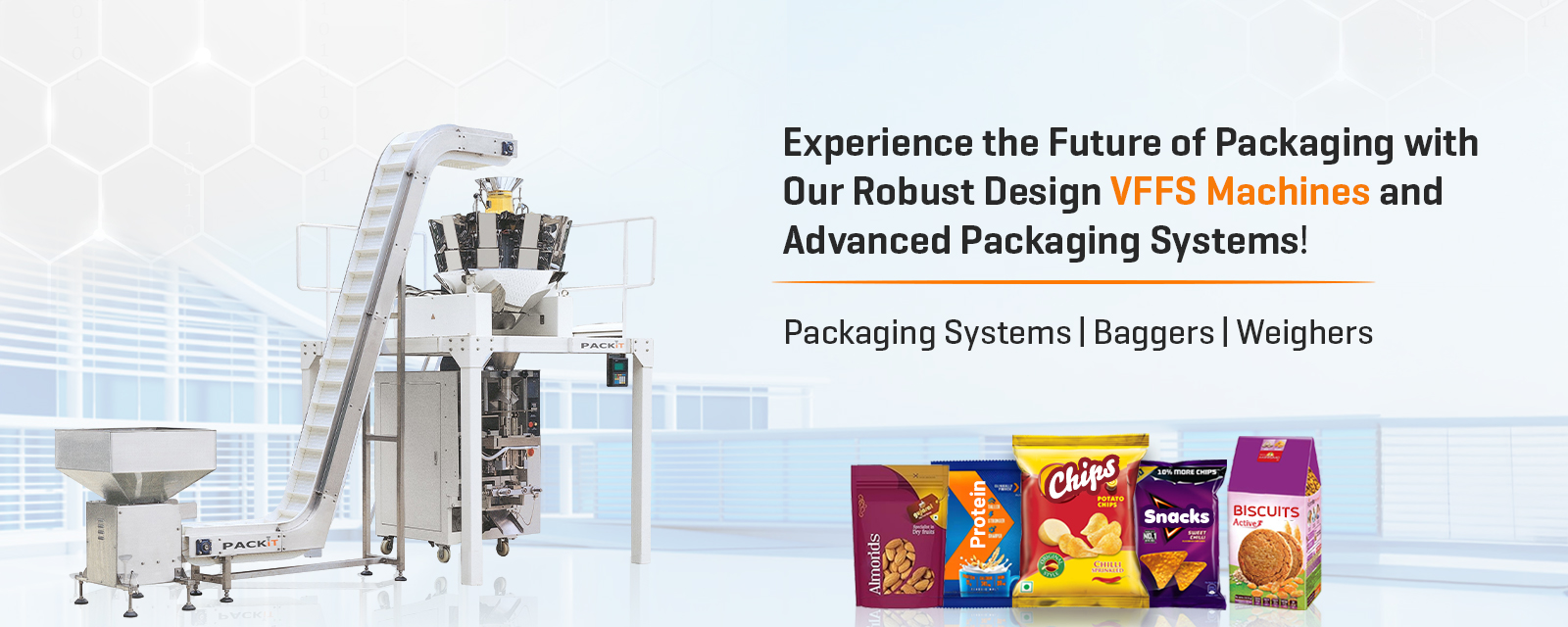
This is the most common type. The film moves vertically. Gravity helps the product fall into the bag. Perfect for free-flowing products like grains, snacks, and powders. VS PacKit specializes in VFFS systems. Their Komet 81 and Indus 5000 series are excellent examples of intermittent motion machines that give you precision without requiring a massive factory floor.
Horizontal Form Fill Seal (HFFS)
Here the film moves horizontally. Products are placed into the bag from the side. This is better for larger items that can’t drop, like frozen meat blocks or medical devices. Most small businesses start with VFFS because it’s more versatile.
Intermittent vs. Continuous Motion
This is a technical detail, but it matters. Intermittent motion means the film stops while filling happens. Continuous motion means everything runs without stopping. Continuous is faster. Intermittent is often more accurate for tricky products.
The GT-5s from VS PacKit is a high-speed continuous motion machine. The SP-914 stick pack machine is continuous too. If you’re packing small sticks of coffee, sugar, or protein powder, that’s your machine.
What Products Work Best With a Form Fill Seal Packaging Machine?
Short answer: almost anything dry that flows.
But let me give you specific examples from real businesses I’ve seen.
Potato chips and namkeens – The machine needs a gentle filling system so chips don’t break. VS PacKit’s volumetric cup fillers work beautifully here.
Detergent powder and protein powder – These need precise filling and dust control. Servo auger fillers are the better choice.
Flour and animal feed – Heavy products need strong seals and durable film handling.
Candies and cookies – You need a wide forming tube and a gentle drop zone.
Hair dye and dry fruits – These often go into stand-up pouches or gusseted bags. A good form fill seal packaging machine can handle that with the right attachments.
I once watched a small business in Noida try to pack roasted chickpeas manually. It took three people to weigh, fill, and seal. Now they use a single VS PacKit machine. One person monitors the line. The other two moved to quality control and sales. That’s the real win. It’s not just about replacing workers. It’s about redeploying them where they add more value.
Key Features You Should Look For
When you start shopping for a form fill seal packaging machine, don’t get distracted by shiny touchscreens. Here’s what actually matters.
Easy Cleaning
Food products leave residue. Machines with open frames and smooth surfaces are easier to sanitize. Ask about washdown ratings.
Quick Changeover
Can you switch from 200g bags to 500g bags in under ten minutes? If not, keep looking.
Seal Integrity
Bad seals mean leaking products and angry customers. Look for machines with servo-controlled sealing jaws and temperature monitoring.
Support and Service
This is where VS PacKit really stands out. Because they’re based in India (with their postal address in Faridabad), you get local support. That matters when a machine stops at 7 PM on a Friday.
I’ve heard horror stories from businesses in Chennai and Vadodara who bought cheap imported machines. When something broke, replacement parts took six weeks. Their production line sat idle. A local manufacturer like VS PacKit can often send a technician the same day.
Common Mistakes I See Business Owners Make
Let me save you some headache. I’ve watched dozens of businesses buy their first form fill seal packaging machine. Here are the mistakes I see over and over.
Buying too fast. They see a demo, get excited, and sign a purchase order without testing their actual product on the machine. Always run your product with your film on your target machine before buying.
Ignoring film quality. The best machine in the world struggles with bad film. Cheap film causes jams, bad seals, and wasted time.
Skipping training. The salesperson says “it’s easy to use.” Then your operator struggles for weeks. Demand on-site training and written manuals.
Underestimating air needs. Many VFFS machines need clean, dry compressed air. If your workshop has poor air quality, you’ll have constant issues.
A packaging line manager in Ahmedabad once told me, “My first machine cost me double what I expected because I forgot to budget for an air compressor and film sealing tester.” Don’t be that person.
How to Choose the Right Machine for Your Business
Start with these three questions.
What is your daily output? If you need 500 bags a day, a small intermittent machine is fine. If you need 50,000 bags a day, you need continuous motion with multiple filling lanes.
What is your product like? Oily snacks need different seals than dry powders. Heavy products need stronger films and forming tubes.
What is your budget for ongoing costs? A cheaper machine might use more film or have higher maintenance costs. Calculate total cost over two years, not just purchase price.
VS PacKit offers several models precisely because every business is different. The Komet 81 is great for smaller operations. The GT-5s handles high-speed production. The SP-914 is perfect for stick packs.
The Future of Packaging Is Here
I believe that within the next five years, most small and medium food manufacturers in India will use some form of automated packaging. Labor costs are rising. Customer expectations around seal quality and consistency are higher than ever.
The good news? You don’t need a huge budget to start. VS PacKit has solutions for businesses just beginning their automation journey and for large factories running three shifts.
When I look at cities like Pune, Hyderabad, and Noida, I see so much entrepreneurial energy. People are starting new snack brands, spice lines, and health food companies every week. A reliable form fill seal packaging machine can be the difference between struggling with manual packing and scaling up to supply retail chains across India.
So take your time. Ask questions. Run tests. And when you’re ready, you know where to find a partner who understands the Indian market inside and out.
VS PacKit by VS International
Leading VFFS packaging machine manufacturer in India